A new fiscal analysis has accused the administration of President Bola Tinubu of weakening Nigeria’s budgeting system through declining transparency, accountability and fiscal discipline, warning that the country’s budget process has become increasingly unpredictable and prone to manipulation.
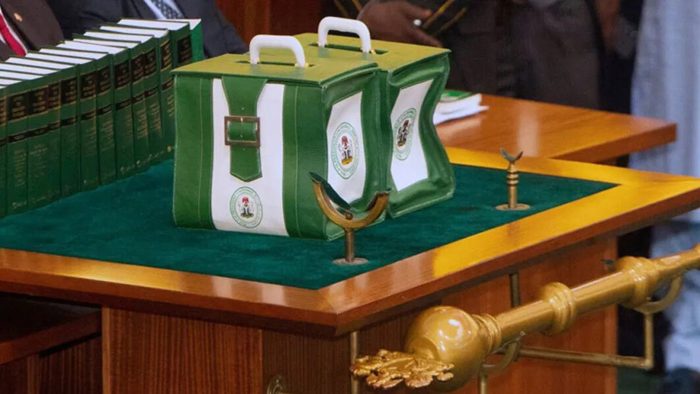
The report argues that the annual budget, traditionally regarded as the foundation of public finance management, has lost key principles such as clarity, accountability, balance and economy. Instead, it says repeated budget extensions, overlapping implementation cycles and frequent revisions have turned the national budget into a fluid document that undermines legislative oversight and public confidence.
According to the analysis, the controversy surrounding the alleged inclusion of the non-existent Presidential Foreign Intervention Promotion Council (PFIPC) in the 2026 budget highlights growing concerns over budget padding and weak scrutiny of appropriation processes.
The report noted that Nigeria’s fiscal deficit reached ₦13.51 trillion in 2024, exceeding the projected ₦9.17 trillion, while retained revenue stood at ₦21 trillion. Despite increased borrowing, capital expenditure remained below expectations, with only about 86 per cent of the fiscal deficit directed to capital projects.
Between 2020 and 2024, the Federal Government accumulated ₦33.42 trillion in net budget-financing debt but spent only ₦23.66 trillion on capital projects, resulting in a capital expenditure-to-net debt ratio of 70.8 per cent. The report suggests that nearly ₦10 trillion of borrowed funds during the period was used to finance recurrent expenditure rather than infrastructure.
On a per capita basis, capital expenditure over the five-year period translated to approximately ₦109,000 spent on each Nigerian, a figure the report describes as inadequate considering the country’s infrastructure needs.
Although retained government revenue improved significantly under the Tinubu administration—from ₦7.7 trillion in 2022 to ₦20.98 trillion in 2024—the report says much of the increase has been driven by higher taxation and subsidy removal, policies critics argue have placed additional burdens on citizens.
The analysis also faulted the continued practice of overlapping budget implementation, noting that previous appropriations remain active alongside newer budgets, creating confusion over project execution and accountability.
It further raised concerns over the ₦68.3 trillion 2026 budget, arguing that the expenditure plan is overly ambitious relative to projected revenue and Nigeria’s growing debt profile. The report warned that without stronger fiscal discipline, transparent reporting and strict adherence to the Fiscal Responsibility Act, the country’s budgeting process risks further eroding public trust and weakening economic governance.