The Federal Government has identified food and beverage as the largest sub-sector of Nigeria’s tourism economy, highlighting the potential of gastronomy to drive domestic tourism, create jobs and promote Nigeria’s cultural identity globally.
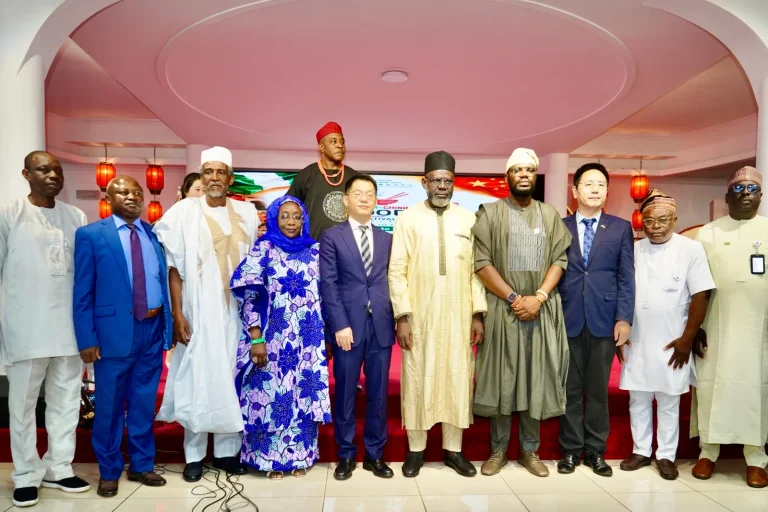
The Minister of Art, Culture, Tourism and the Creative Economy, Hannatu Musawa, disclosed this on Thursday at the Nigeria-China Food Festival held at the China Cultural Centre in Abuja.
Musawa, who was represented by the ministry’s Permanent Secretary, Abdulkarim Ibrahim, said the ministry’s recent tourism and creative industries mapping revealed that food and beverage accounted for the largest segment of Nigeria’s tourism economy.
According to her, culinary experiences and food culture have increasingly become major motivations for domestic travel, making gastronomy an important part of Nigeria’s tourism identity.
“Importantly, gastronomy is tourism,” the minister said, stressing that the finding had strengthened the ministry’s commitment to promoting Nigerian cuisine as part of the country’s tourism identity and global cultural brand.
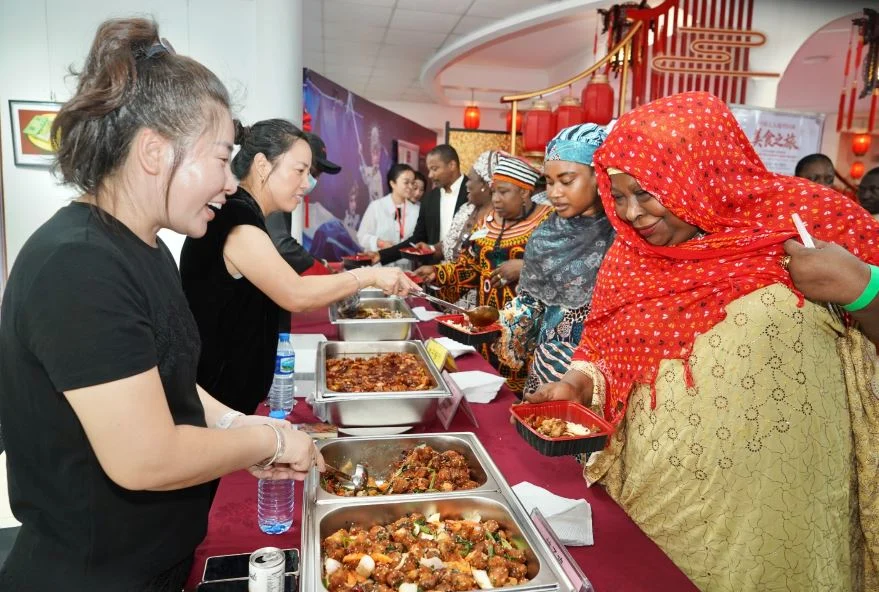
She noted that food festivals provide opportunities for chefs, food entrepreneurs, creatives, hospitality businesses and cultural practitioners to exchange knowledge, access new markets and tell Nigeria’s story through food.
Musawa also called for stronger cooperation between Nigeria and China in gastronomy, tourism, hospitality, culinary education and creative entrepreneurship, particularly as both countries celebrate 55 years of diplomatic relations.
The Chargé d’Affaires ad interim of the Chinese Embassy in Nigeria, Zhou Hongyou, described food as a powerful bridge for cultural understanding between the two countries.
He noted that China and Nigeria are ancient civilisations with rich culinary traditions, adding that bringing their cuisines together creates opportunities for greater cultural understanding and cooperation.
The festival featured cultural performances, a photo exhibition showcasing food traditions, a “bush bar” and an exhibition highlighting the culture of grilled skewers.
On trade, Zhou disclosed that China imported about $2.3 billion worth of goods from Nigeria in the first half of 2026, representing an 80 per cent increase compared with the same period in 2025.
He added that bilateral trade reached $18 billion during the period, representing a 35 per cent year-on-year increase.
Zhou also highlighted China’s zero-tariff policy for African countries that maintain diplomatic relations with Beijing, which took effect on May 1. He expressed hope that both countries would reach an agreement on early-harvest arrangements under the policy to enable Nigerians and Chinese citizens to benefit more.
Meanwhile, the Director-General of the National Institute for Hospitality and Tourism, Aare Abisoye Fagade, said the festival went beyond food, describing it as an avenue to promote culture, friendship and economic opportunities.
The development underscores the growing importance of Nigeria’s food and culinary sector as a driver of tourism, entrepreneurship, cultural diplomacy and economic development.