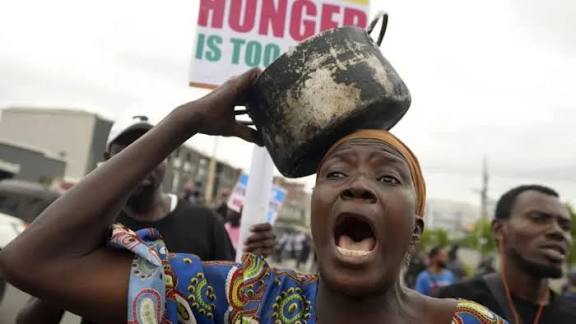
The United Nations has warned that about 35 million Nigerians are at risk of acute hunger this year, including an estimated three million children facing severe malnutrition.
The warning was issued on Thursday, January 22, by the UN Office for the Coordination of Humanitarian Affairs (OCHA) in Nigeria, following a sharp decline in global humanitarian aid funding.
Speaking at the launch of the 2026 Humanitarian Response Plan in Abuja, the UN Resident and Humanitarian Coordinator in Nigeria, Mohamed Malick Fall, said the long-standing foreign-led aid model is no longer sustainable, noting that Nigeria’s humanitarian needs have continued to grow.
Fall described conditions in the conflict-affected northeast as dire, with civilians in Borno, Adamawa and Yobe states facing escalating violence. He revealed that a surge in suicide bombings and widespread attacks claimed more than 4,000 lives in the first eight months of 2025 alone—equal to the total death toll recorded in all of 2023.
According to him, the UN is targeting $516 million this year to provide lifesaving assistance to 2.5 million people, a significant drop from the 3.6 million people reached in 2025, which itself was about half the number supported the previous year.
“These are not just statistics. These numbers represent lives, futures and Nigerians,” Fall said.
He added that dwindling resources have forced the UN to prioritise only the most critical, life-saving interventions.
The funding shortfall has also affected other humanitarian agencies. Last year, the World Food Programme warned that millions of Nigerians could face hunger after it exhausted its resources in December, forcing it to cut food support for more than 300,000 children.
Despite the challenges, Fall noted that Nigeria has shown increased national ownership of the humanitarian response in recent months. He cited initiatives such as locally funded lean-season food assistance and early-warning measures to address flooding as positive steps toward addressing the crisis.