Public hospitals across Nigeria continue to reel under the impact of the ongoing nurses’ strike, now in its fourth day, as patients are turned away, wards remain empty, and essential services are paralyzed.
The strike, declared by the National Association of Nigerian Nurses and Midwives (NANNM) – Federal Health Institutions Sector (NANNM-FHI), began on July 29 after the federal government failed to respond to a 15-day ultimatum. It affects federal health facilities nationwide, including major centers in Abuja and Lagos.
Abuja: Deserted Wards, Abandoned Patients
When PREMIUM TIMES visited Wuse General Hospital in Abuja on Friday, the atmosphere was unusually quiet. The female surgical ward, typically bustling with activity, was nearly empty. Patients had either been discharged prematurely or left without adequate care.
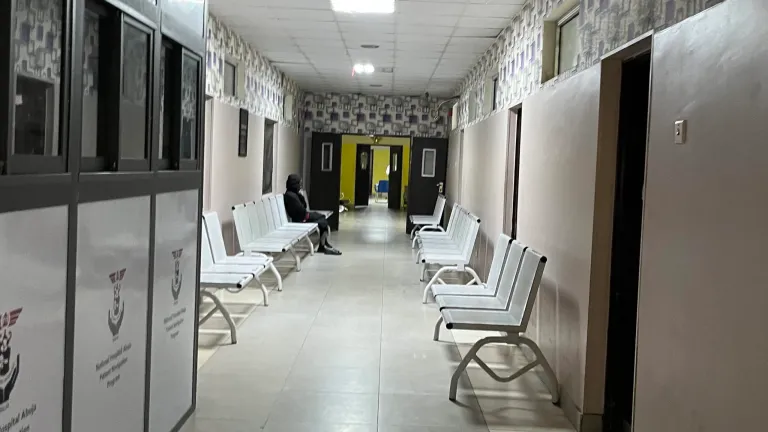
One affected patient, who requested anonymity, said her son was discharged earlier than recommended because there were no nurses to manage his treatment.
“Doctors work hand in hand with nurses. Without nurses, doctors cannot comfortably do the work,” she said.
She added that she had to personally dress a leg wound because there were no nurses available to assist.
“They said I need debridement, but that cannot happen without nurses. The doctors are trying, but they can’t do everything,” she added, while still expressing support for the striking nurses.
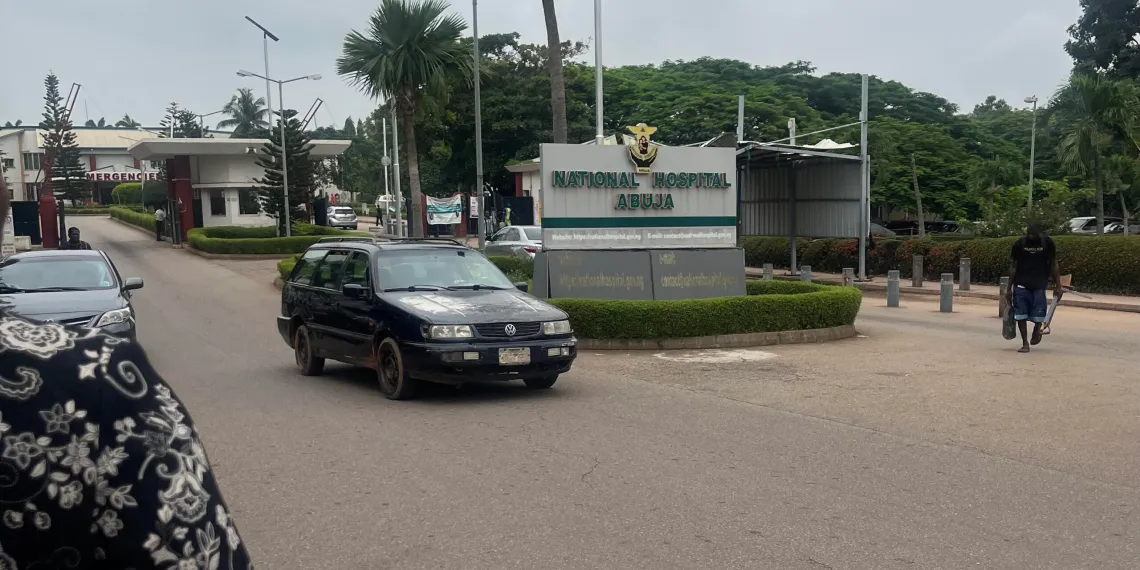
At the National Hospital, Abuja, similar scenes played out. Wards were vacated, and only emergency services were operating at minimum capacity.
“There is a total shutdown,” a doctor told PREMIUM TIMES anonymously. “Most patients undergoing chemotherapy and requiring full-time nursing care have been sent home.”
Visits to Asokoro and Maitama District Hospitals revealed locked consultation rooms and silent waiting areas. At Maitama, the emergency unit and pharmacy were also shut down.
Lagos: Partial Services Resume, But Strike Lingers
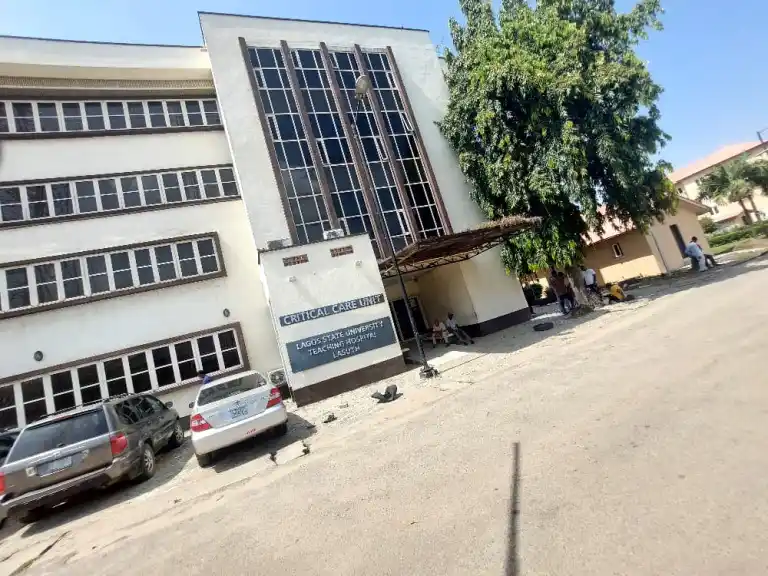
In Lagos, partial medical services resumed in some public hospitals including LASUTH, Alimosho, and Ifako-Ijaiye General Hospitals following the conclusion of a separate three-day warning strike by the Medical Guild. However, the nurses’ strike continues to hinder full operations.
At LASUTH, some critical care patients were being attended to by locum (temporary) nurses. Alimosho General Hospital was also offering services in some departments, except the paediatric ward, which remained closed.
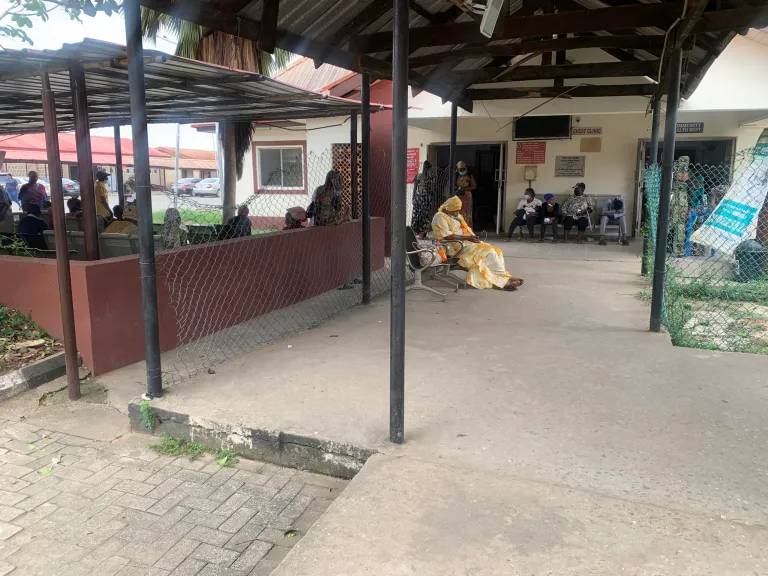
A pregnant woman at the maternity clinic told PREMIUM TIMES that those with appointments were receiving care.
“If you have an appointment today, they will attend to you,” she said.
However, for others, especially in paediatrics, the situation remains dire.
Johnson Emmanuel, a civil engineer, brought his toddler to the clinic but was turned away for the second day.
“This doesn’t make sense. If there’s any facility that should never be on strike, it shouldn’t be the health sector,” he said.
A security officer confirmed the paediatric unit was still not operational.
Root Causes: Demands for Reform and Fair Compensation
The strike was sparked by unresolved grievances including poor welfare conditions, lack of adequate staffing, and low hazard allowances. NANNM-FHI has specifically demanded:
- Reversal of the June 27 circular by the National Salaries, Income and Wages Commission (NSIWC)
- Adjustment of shift and call duty allowances
- Implementation of a 25% CONHESS adjustment for nurses in Oyo State
- Improved hazard allowances for local government nurses
- Mass recruitment of nurses
The strike was a response to the government’s inaction on these longstanding concerns.
Rumors of Suspension Dismissed
Although some reports suggested the strike had been suspended following a meeting with government representatives, NANNM-FHI leadership denied this.
“It is not true,” said Murakiyo Olajide, the national chairman of NANNM-FHI. “We have procedures in place whenever we initiate or suspend strike actions. Those procedures have not been followed.”
The union is expected to meet with its members over the weekend to discuss the government’s offer and determine whether the strike should end. For now, the action is still scheduled to run until August 5, pending further consultations.
Growing Public Frustration
As the strike continues, frustration among patients is mounting. Adunola Muda, who brought her daughter to a chest clinic, said she was referred to another facility to get drugs due to supply disruptions caused by the strike.
“I was told the drugs are not available here. I learnt that those who supply the drugs are on strike,” she said.
With hospitals struggling to operate and no resolution in sight, the ongoing strike highlights the fragile state of Nigeria’s public health system—and the urgent need for structural reforms.