Families of those killed in Nepal’s anti-corruption demonstrations say they hope the sacrifices will not be in vain, as former chief justice Sushila Karki was sworn in Saturday as interim prime minister to lead a six-month transition to elections.
Among the dead was 30-year-old Santosh Bishwakarma, one of at least 51 people killed during two days of violent unrest — the country’s bloodiest crisis since the abolition of the monarchy in 2008.
His widow, Amika, her eyes swollen with grief, remembered his “ultimate dream” to “die having contributed to the nation.” Santosh was fatally shot Monday during the first wave of protests, led by the youth-driven “Gen Z” movement.
A temporary social media ban had sparked the demonstrations, unleashing long-simmering anger over corruption and economic stagnation.
“He used to say he wouldn’t die like a dog,” Amika said at her modest Kathmandu home, clutching a framed photo of her husband. “His dream was to make Nepal known to the world — and he did.”
The unrest forced KP Sharma Oli, 73, to resign as prime minister after protesters torched parliament. On Friday, activists using the app Discord rallied around Karki as their choice to lead the transition.
But for Amika, now raising two young children alone, the future is uncertain.
“My husband gave his life for the nation,” she said. “I only hope the new government helps us.”
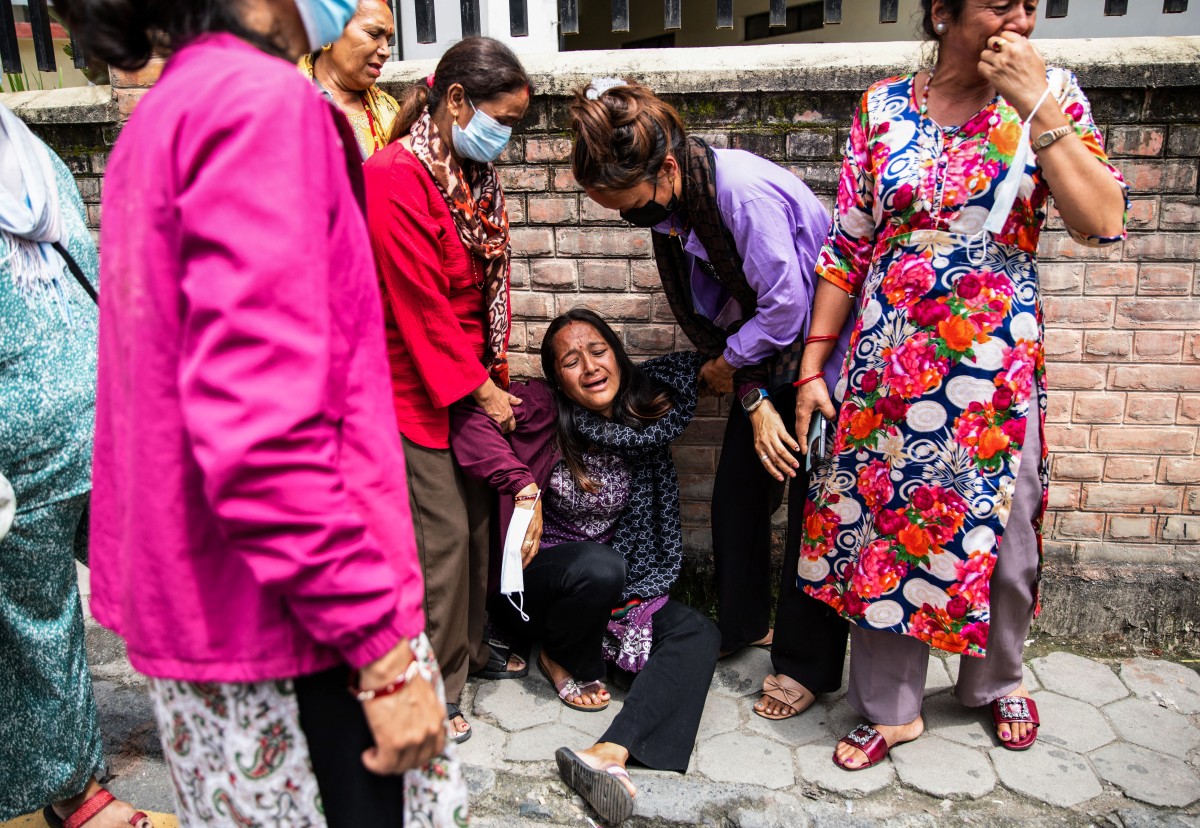
At Kathmandu’s Pashupatinath temple, hundreds gathered for mass cremations. Families wept over loved ones, including young men shot in the clashes. Some mothers clung to their children’s bodies, refusing to let go.
Family friend Solan Rai, 42, called the protests a turning point.
“I hope we finally see real change this time,” he said.
With 82 percent of Nepal’s workforce in informal jobs and GDP per capita at just $1,447, the anger shows no sign of fading.
For Amika, the demand is simple:
“What we seek isn’t too much to ask — just equality,” she said. “So the rich don’t thrive while the poor languish.”