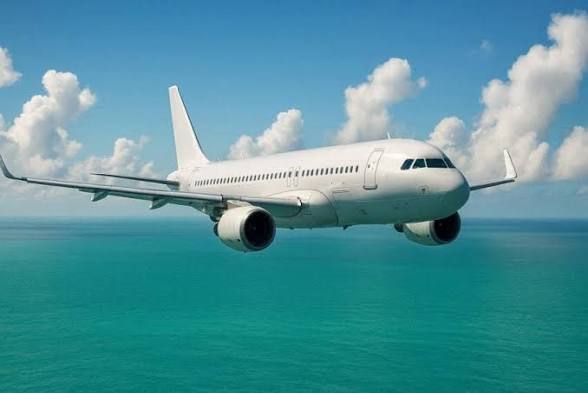
The ongoing conflict involving the United States, Israel and Iran is severely disrupting global air travel, with international airfares rising by over 100 per cent across several routes.
The sharp increase in ticket prices follows the indefinite suspension of numerous inbound and outbound flights across the Middle East, a development that has affected both passenger travel and cargo movement.
Major regional carriers, including Emirates, Etihad Airways, Qatar Airways and Middle East Airlines, have suspended or significantly reduced operations, while key aviation hubs such as Dubai International Airport, Abu Dhabi International Airport, Hamad International Airport and Ben Gurion Airport face shutdowns and restricted activities.
The disruption has forced global airlines, including British Airways, Lufthansa, Air France and KLM, to cancel flights or reroute services, leading to longer travel times and increased operational costs.
Travel experts say the crisis is not only affecting summer travel plans but also hindering the transportation of critical medical supplies, including temperature-sensitive drugs, as airlines struggle to find alternative routes.
In Nigeria, the impact is particularly significant, as a large proportion of international travellers rely on Middle Eastern hubs to connect to Europe, America and Asia. Industry estimates suggest that between 40 and 45 per cent of Nigerian travellers transit through the region.
Flights from key gateways such as Murtala Muhammed International Airport and Nnamdi Azikiwe International Airporthave been heavily affected, with travel agencies reporting widespread cancellations and postponements.
Checks on airline booking platforms show a dramatic increase in fares. For instance, an economy class return ticket on British Airways for late March surged to about $2,656, compared to around $1,050 before the conflict. Similarly, fares on Lufthansa flights to Europe have nearly doubled within weeks.
Industry stakeholders warn that the disruption could have lasting economic implications. Bankole Bernard noted that the Middle East serves as a critical hub for global travel, adding that the crisis has forced passengers to rely more on European and African carriers such as Ethiopian Airlines, Kenya Airways and RwandAir.
He added that longer flight routes and limited capacity are driving up costs, while also creating opportunities for African airlines to expand their market share.
Similarly, National Association of Nigerian Travel Agencies President Yinka Folami said the crisis could significantly shrink global travel, noting that up to 40 per cent of Nigeria’s flight traffic is at risk.
As airlines continue to adjust to the evolving situation, analysts warn that sustained disruptions in the Middle East could further destabilise global aviation, trade and tourism, while keeping airfares elevated in the near term.