As the 2027 general election draws closer, the Independent National Electoral Commission (INEC) and the Nigeria Police Force have cautioned political parties against premature campaigns in violation of the Electoral Act.
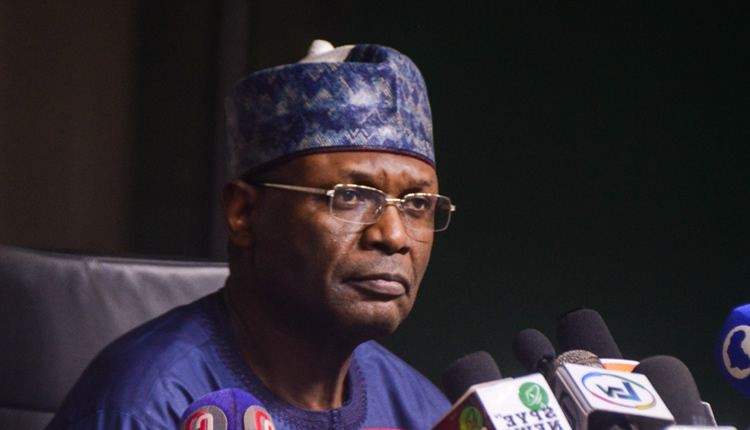
INEC Chairman, Prof. Mahmood Yakubu, decried the rising wave of subtle political activities across the country, describing them as a “disturbing trend” that undermines democratic governance and breaches Section 94(1) of the Electoral Act 2022, which restricts campaigns to 150 days before polls.
Speaking at a one-day roundtable in Abuja on Wednesday, Yakubu lamented that political actors were already deploying billboards, media adverts, and rallies despite the absence of an official timetable. He stressed that such actions compromise INEC’s ability to track campaign finance and called for amendments to the law to empower the commission with stronger sanctioning powers.
While former INEC boss, Prof. Attahiru Jega, urged stricter penalties—including holding incumbents vicariously liable for third-party campaigners—the Inspector General of Police, Kayode Egbetokun, vowed to enforce electoral laws but questioned whether traditional campaign regulations remain relevant in the digital era.
The warning has triggered sharp reactions across the political space. The opposition Peoples Democratic Party (PDP) and African Democratic Congress (ADC) accused the ruling All Progressives Congress (APC) of being the chief violator, citing widespread billboards promoting President Bola Tinubu. The APC, however, dismissed the allegations, insisting it remains committed to lawful processes.
Meanwhile, the Presidency reiterated its disapproval of premature campaigns, distancing Tinubu and Vice President Kashim Shettima from promotional billboards and media messages linked to 2027.
Political observers warn that Nigeria’s four-year electoral cycle is increasingly dominated by early politicking, distracting leaders from governance and raising tension nationwide. Similar concerns arose ahead of the 2023 polls, but weak sanctions blunted enforcement.
Calls are now mounting for reforms, including the creation of an Electoral Offences Commission and Tribunal, to curb impunity and strengthen the credibility of future elections.