A federal high court in Warri, Delta State, has ruled that citizens have the constitutional right to record police officers during stop-and-search operations in public spaces.
The ruling, delivered on Tuesday, March 17, 2026, followed a fundamental rights enforcement suit filed by lawyer Maxwell Nosakhare Uwaifo, who challenged the constitutionality of police officers conducting stop-and-search operations without visible name tags or force numbers, and citizens’ right to document such encounters.
Background:
Uwaifo recounted his own experience on May 10, 2025, when police officers stopped him along the Sapele roundabout while traveling from Benin to Warri. He said the officers were aggressive, unidentifiable, and threatened him when he attempted to record their conduct. He described their vehicle as an unmarked Toyota Sienna, lacking any police insignia or identification.
The suit sought declarations that:
- Citizens are entitled under Section 39 of the 1999 Constitution to freely express themselves, including recording police activities in public.
- It is unlawful for police officers to seize devices, threaten, or arrest individuals for recording their actions.
- Officers must wear full uniforms displaying names and force numbers during public operations.
- Directives should be issued to enforce these standards and discipline defaulters.
- Compensation for repeated violations, totaling ₦80 million, should be awarded.
Court Decision:
- Presiding judge Hyeladzira Nganjiwa ruled that Nigerians can record police officers performing their duties in public.
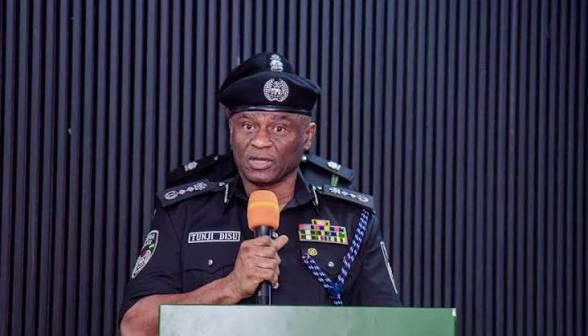
- Officers must display visible name tags and force numbers during all public operations.
- Police harassment, intimidation, unlawful arrest, or seizure of recording devices is unconstitutional and unlawful.
- The court awarded ₦5,000,000 in damages for violation of fundamental rights and ₦2,000,000 for litigation costs.
The ruling reinforces citizens’ rights under the Constitution, ensuring greater accountability and transparency in police conduct during public interactions.