How Morocco Qualified
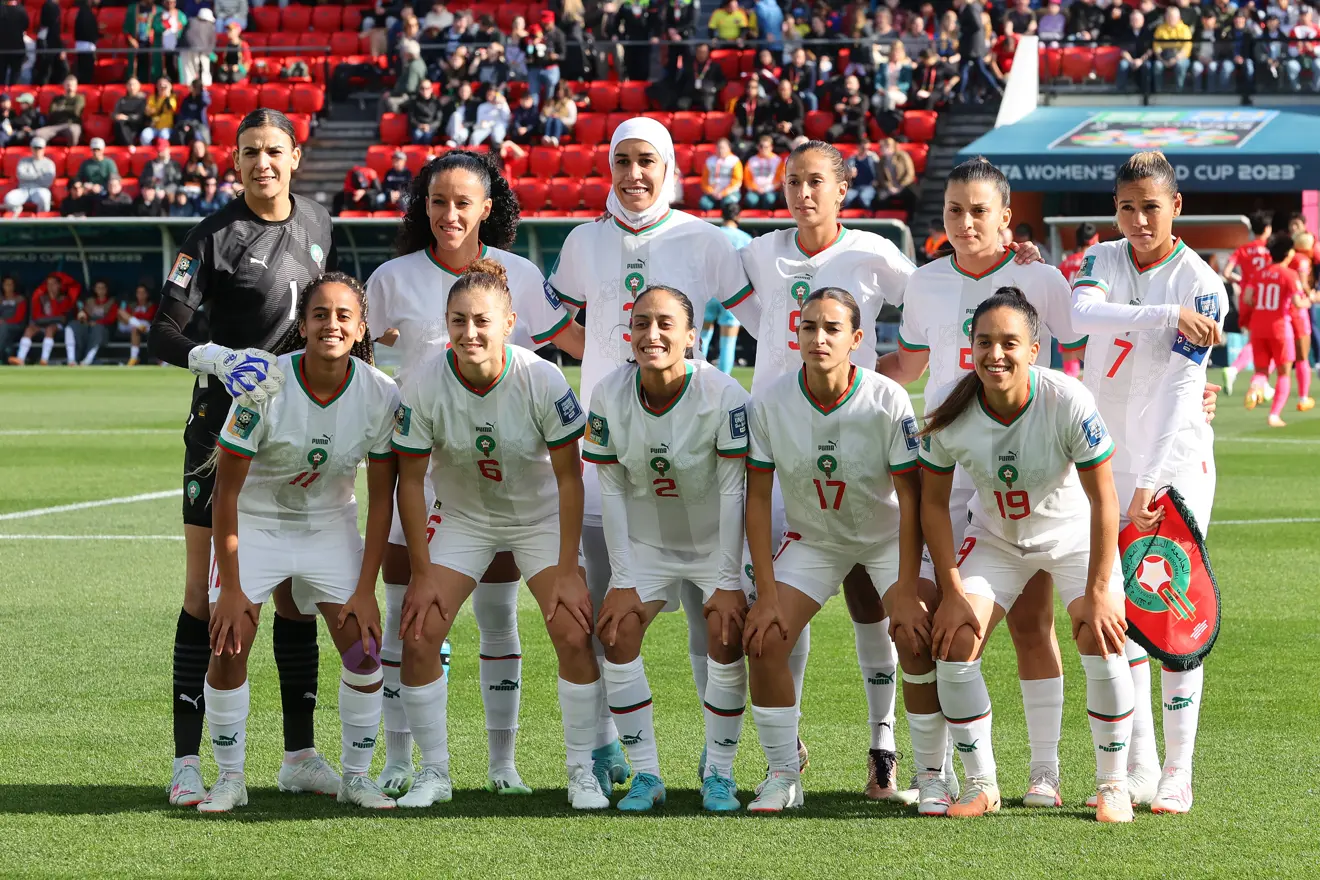
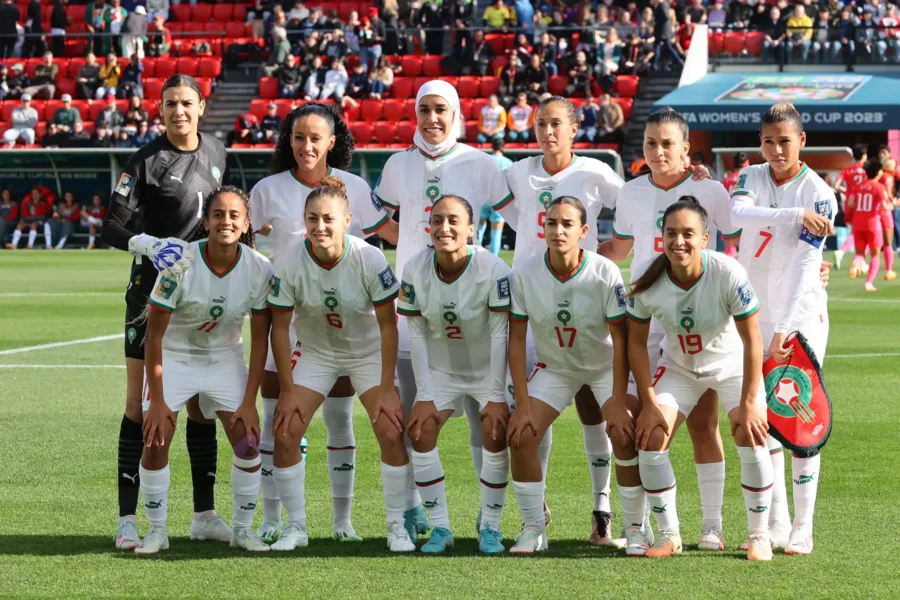
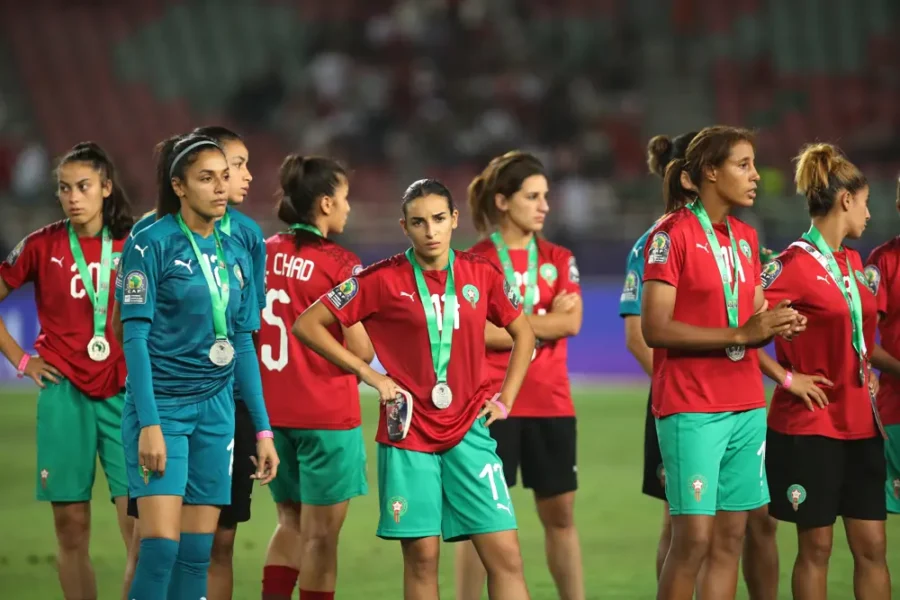
Morocco secured their place at the 2024 Women’s Africa Cup of Nations (AFCON) as the host nation. After finishing as runners-up in the 2022 edition—losing 2-1 to South Africa in the final—the Atlas Lionesses have continued to prove themselves as a growing powerhouse in African women’s football, highlighted by their impressive run to the Round of 16 at the latest FIFA Women’s World Cup.
Morocco’s Journey in TotalEnergies CAF WAFCON History
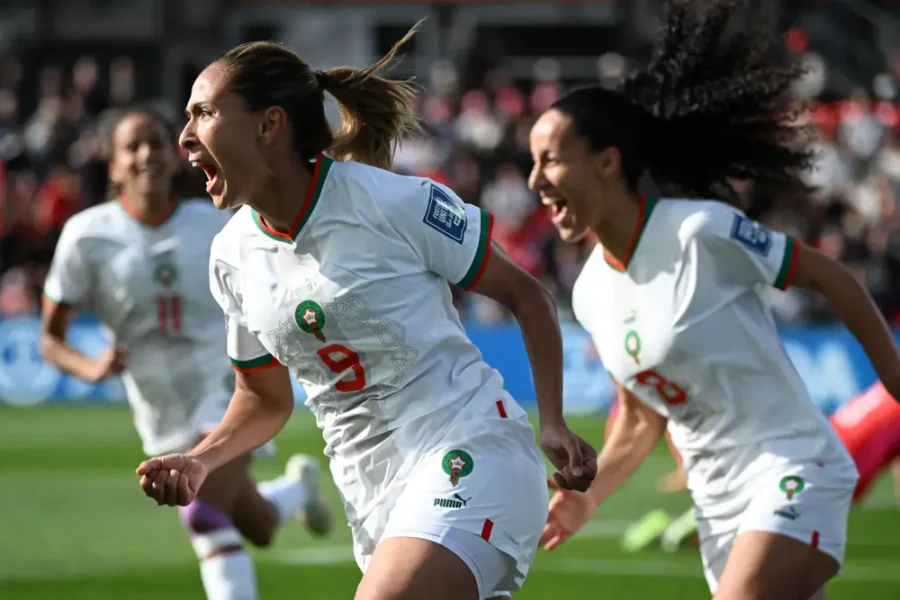
The 2024 TotalEnergies CAF Women’s Africa Cup of Nations marks Morocco’s fourth appearance in the tournament, following previous participations in 1998, 2000, and 2022. Under the leadership and investment of the Royal Moroccan Football Federation (FRMF), the national team has experienced significant growth. The 2022 edition, hosted on home soil, was a landmark moment—Morocco made an impressive run to the final, narrowly losing 2-1 to South Africa.
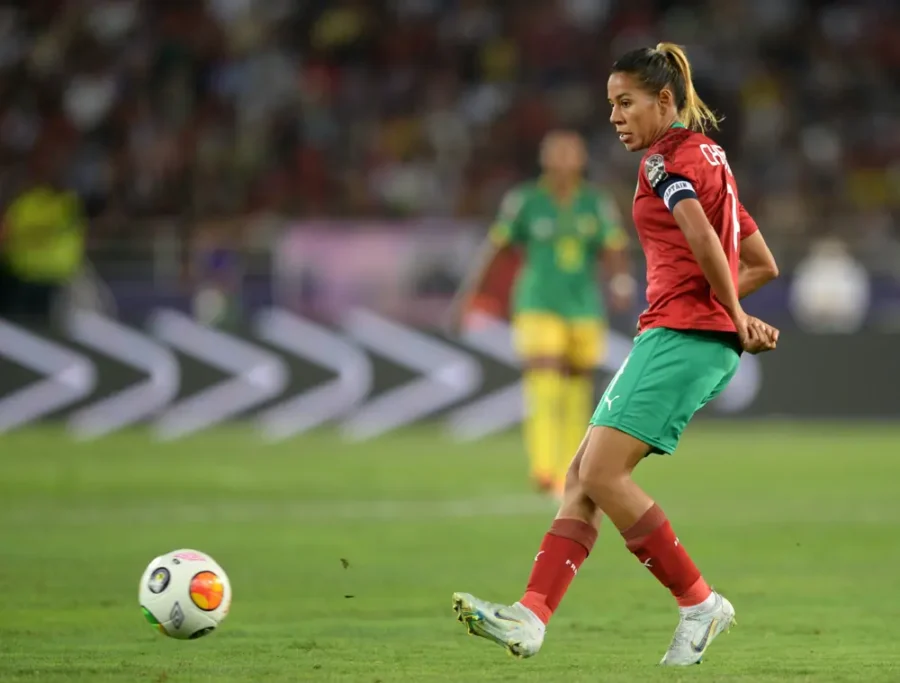
Player to Watch: Ghizlane Chebbak
A standout performer and captain during the 2022 edition, Ghizlane Chebbak remains a vital figure for Morocco. Scoring 3 goals in that tournament, she combines experience, leadership, and a deep football legacy, being the daughter of former Moroccan international Larbi Chebbak.
At 33, her game intelligence, vision, and mastery of set pieces make her a key playmaker and emotional anchor for the team. Chebbak is more than a player; she’s the heartbeat of the squad and a bridge between generations
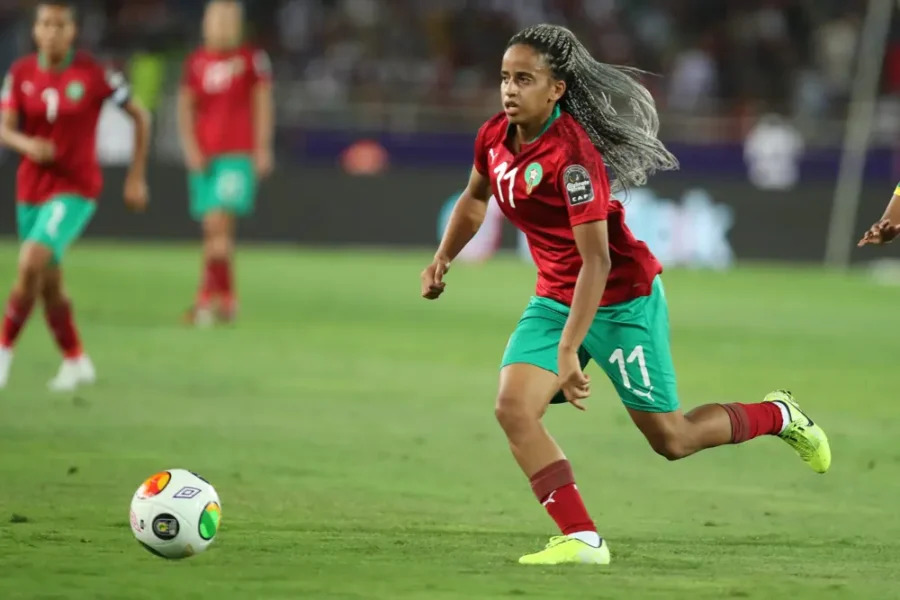
Fatima Tagnaout
A dynamic left winger for AS FAR, Fatima Tagnaout is a standout talent in Morocco’s domestic league. Renowned for her dribbling skills, agility, and pinpoint crosses, she frequently sparks Morocco’s most decisive attacking moves. A multiple-time recipient of the league’s Best Player award, Tagnaout embodies the success of homegrown talent and is a shining symbol of the growing momentum behind women’s football in Morocco.
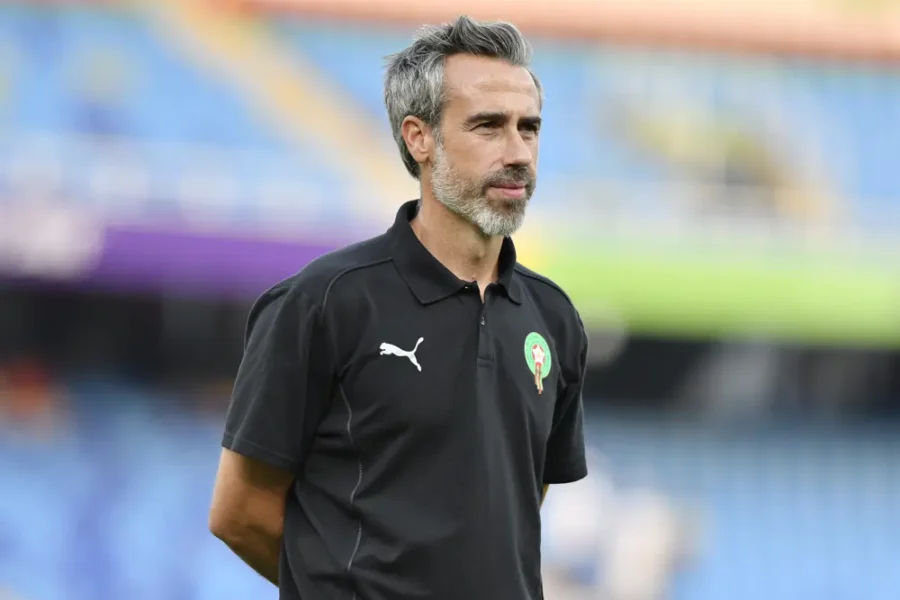
The Coach
Jorge Vilda, who led Spain to victory in the 2023 Women’s World Cup, was appointed head coach of the Moroccan women’s national team in October 2023, succeeding Reynald Pedros. Backed by the Moroccan Football Federation (FRMF), Vilda brings top-tier experience, a strong grasp of emerging talent, and a modern tactical mindset—positioning him as a key figure in Morocco’s quest for their first continental title.
As hosts, Morocco enters the tournament with clear title ambitions. After narrowly missing out in 2022, the Lionesses are determined to take the final step and lift the trophy. Backed by passionate home support, they fully embrace their status as favourites.
Drawn into a challenging Group A alongside Zambia, Senegal, and DR Congo, Morocco faces stiff competition. However, with strong team cohesion and the ability to manage home-ground pressure, they have all the ingredients to make a deep run—and potentially go all the way.