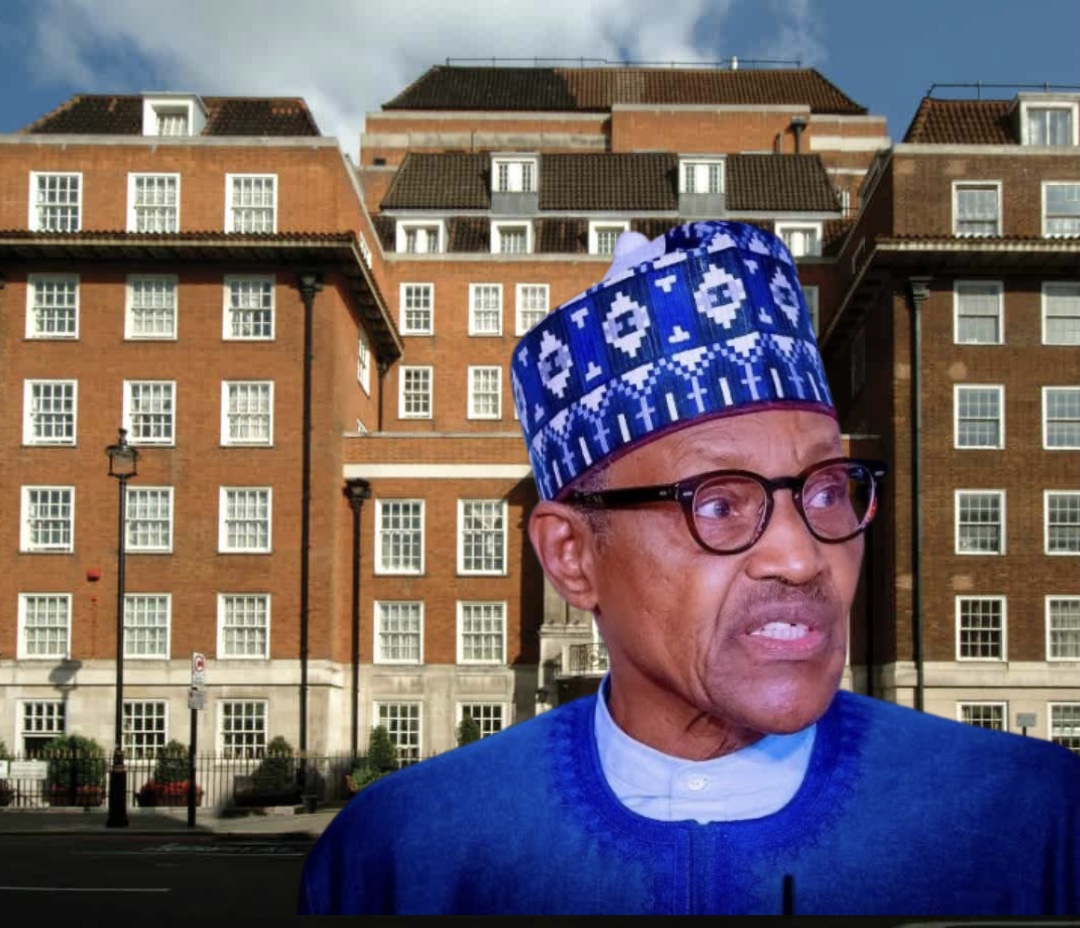
The London Clinic, one of the UK’s most prestigious private hospitals, has come under public scrutiny following the death of Nigeria’s former President, Muhammadu Buhari, at the facility on Sunday, July 13, 2025.
The late President had traveled to the UK in April for what was described as a routine medical check-up but fell critically ill during his stay. He died after a sudden relapse, just hours before his anticipated discharge, according to his nephew, Mamman Daura.
“I left him around 9 pm on Saturday, July 12. He was in high spirits and eagerly awaiting his doctor’s visit on Sunday morning. But around midday, he developed breathing difficulties. Despite the doctors’ efforts, he passed at about 4:30 pm,” Daura told ThisDay.
Although the exact cause of death was not disclosed, Buhari had a history of prolonged medical issues. He was reportedly placed in the Intensive Care Unit (ICU) of The London Clinic before his passing. His death was formally announced by his former spokesperson, Mallam Garba Shehu, who stated, “May Allah accept him in Aljannatul Firdaus.”
Spotlight on The London Clinic
Established in 1932, The London Clinic is one of the largest private hospitals in the United Kingdom. Located on Harley Street in Central London, it boasts 13 ICU beds, 10 operating theatres, five cancer support centres, and over 900 medical professionals serving more than 120,000 patients globally each year.
The hospital specialises in oncology, orthopaedics, digestive health, neurosurgery, robotic surgery, and plastic surgery. It is renowned for treating high-profile individuals, including political leaders and members of the British royal family.
According to Saturday PUNCH, consultation fees range from £100 to £750, while a CT scan costs approximately £500. Major surgeries run between £10,000 and £13,000. Accommodation costs vary: standard rooms cost £1,000–£1,800 per night, VIP suites go for £1,800–£2,500, and ICU care ranges between £3,000 and £3,500 per night.
A UK-based Nigerian doctor described the hospital as a “world-class facility with cutting-edge technology,” including the da Vinci Xi robotic system, 3T MRI scanners, PET-CT, and advanced digital diagnostics.
Despite its prestige, The London Clinic’s involvement in Buhari’s final days has reignited national conversations around the state of healthcare in Nigeria.
Buhari’s Legacy of Medical Tourism
Throughout his eight years in office, Buhari was known for seeking medical care abroad, spending at least 225 days in over 40 countries, with frequent visits to London hospitals. His first medical trip as President began in February 2016 and lasted six days. His longest, in 2017, spanned 104 days.
In 2021, he approved a ₦21bn Presidential Wing for the State House Clinic in Abuja. By 2022, ₦10.06bn had already been disbursed, and officials claimed the facility was 80% completed. Yet, Buhari continued to seek care overseas until his death.
Data from Saturday PUNCH reveals that Nigeria spent over ₦13.4bn on foreign medical travels for Presidents Buhari, Jonathan, and Yar’Adua between 2007 and 2022.
Criticism from the Medical Community
The Nigerian medical community has expressed outrage over the continued reliance on foreign healthcare by the nation’s leaders.
Dr. Tope Osundara, President of the Nigerian Association of Resident Doctors (NARD), called the trend “disheartening and shameful.” He said, “It’s like building a company and refusing to use its products. It sends a message that Nigerian hospitals can’t be trusted—even by those who fund them.”
He condemned the remarks of Buhari’s former media aide, Femi Adesina, who suggested that the late President might have died sooner had he stayed in Nigeria for treatment. “That’s an insult to our professionals,” Osundara said.
He cited the successful treatment of former Vice President Yemi Osinbajo in Nigeria as evidence of local medical competence.
Prof. Bala Audu, President of the Nigerian Medical Association (NMA), stated that the recurring foreign trips by public officials “reveal a lack of faith in the very healthcare system they are mandated to improve.”
Audu emphasised that Nigeria has highly skilled doctors and nurses but lacks investment in critical infrastructure, equipment, and conducive work environments.
“Doctors are working under unbearable conditions, sometimes staying in the hospital for seven consecutive days. The problem has never been competence but systemic neglect,” he said.
Prof. Muhammad Muhammad, President of the Medical and Dental Consultants’ Association of Nigeria, also urged the government to prioritise investment in local health facilities. He proposed that Nigeria replicate models from India and Egypt, where governments supported private super-specialty hospitals with incentives like tax waivers and funding access.
He argued that such support would reduce the economic drain of medical tourism and help build trust in local care.
A National Wake-Up Call
The death of Buhari in a foreign hospital underscores the deep-rooted crisis in Nigeria’s health sector. Despite massive budgets and lofty promises, the country’s leaders continue to opt for treatment abroad—leaving public hospitals underfunded, under-equipped, and underutilised.
Healthcare professionals are calling for genuine reforms, including better funding, training, and infrastructure upgrades, to restore confidence in Nigerian healthcare.
As Nigeria grapples with the reality of losing yet another leader in a foreign hospital, the question remains: when will those in power begin to believe in the system they expect their citizens to depend on?