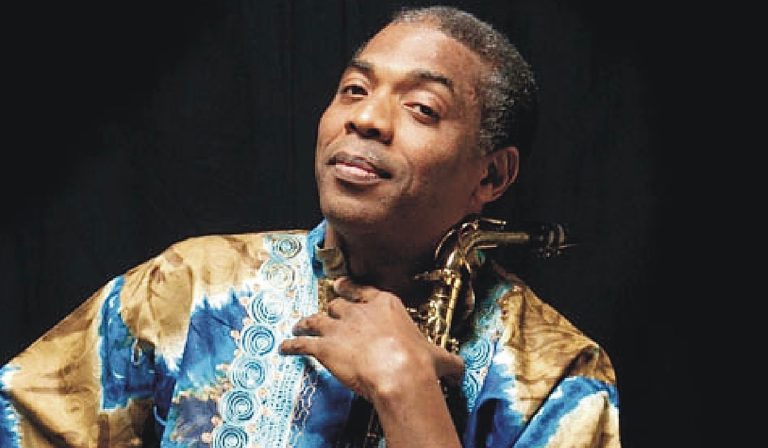
Afrobeats musician Femi Kuti has raised concerns about the credibility of Nigeria’s institutions, recalling the anti-corruption efforts of former President Olusegun Obasanjo.
Kuti spoke during an interview on the Good News Naija Podcast, where he reflected on the establishment of the Economic and Financial Crimes Commission (EFCC) under Obasanjo and the activities of its pioneer chairman, Nuhu Ribadu.
DTOWNCRIER News reports that the musician recalled that the EFCC was established to investigate and prosecute individuals accused of corruption.
He also discussed Ribadu’s tenure as EFCC chairman, claiming that the former anti-graft chief eventually left the position amid concerns over his safety and pressure surrounding his work at the agency.
Kuti further drew attention to Ribadu’s current role under President Bola Tinubu, where he serves as the National Security Adviser.
According to the musician, the movement of political figures and public officials across different administrations raises questions about the way Nigeria’s political system operates.
He argued that politicians and public officials who appear to be on opposing sides at different times can later be seen together at social and political gatherings.
Kuti said such a pattern could make it difficult for ordinary Nigerians, particularly young people, to understand where loyalty, accountability and political responsibility lie.
He said: “Obasanjo put EFCC to arrest all the corrupt people. One of the first people the EFCC arrested was his daughter. Then, Ribadu was removed or he even ran away because I think they were after his life. So they removed him from head of the EFCC.
“This same Ribadu is now Tinubu’s security personnel. So you see, it’s the same people. They go to the same parties. They go to the same weddings. They hug themselves. They do everything together. A young boy of 15 that has this history, or 20, when you see what is going on, where is your belief in the system? Where is your belief that you have a future in this country?”
Kuti’s comments highlight his broader concerns about public trust, political accountability and the ability of Nigeria’s institutions to convince young citizens that the system can deliver justice and a meaningful future.