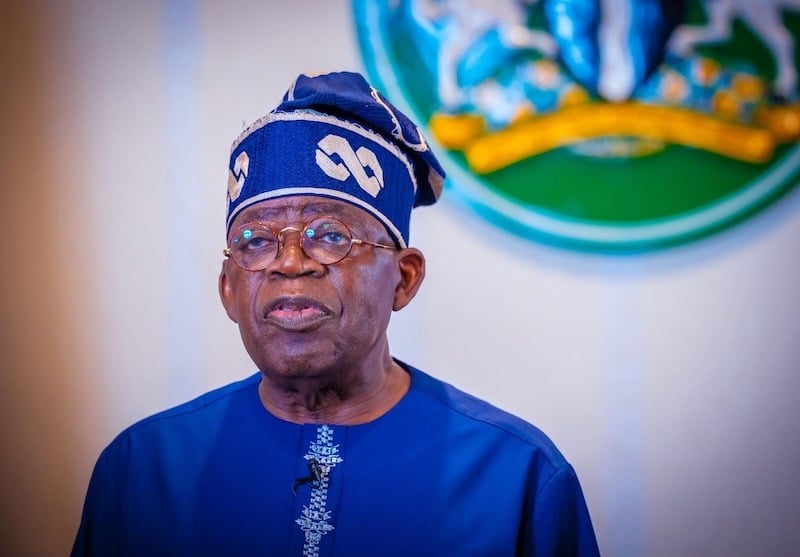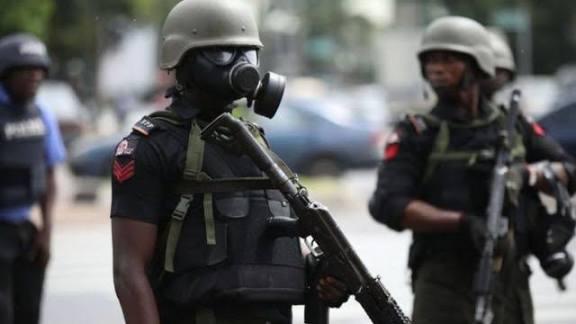
The Federal Government has renewed its call for the establishment of state police, urging the National Assembly to expedite constitutional amendments that would provide the legal framework for its implementation.
Minister of Information and National Orientation, Mohammed Idris, made the appeal on Thursday in Abuja while receiving a delegation from the Centre for Crisis Communication (CCC), led by its Chairman, Major General Chris Olukolade (Rtd.), during a courtesy visit to the ministry.
Idris said the move forms part of broader efforts to address Nigeria’s persistent security challenges, stressing that President Bola Ahmed Tinubu remains committed to decentralising policing across the federation.
“It is the desire of President Bola Ahmed Tinubu to ensure that we have state police as soon as it is practicable in this country. The time has indeed come for that,” the minister stated.
He noted that the President had already communicated his position to lawmakers and was urging them to act swiftly in the national interest.
The renewed advocacy comes amid longstanding national debates over decentralised policing. The proposal gained significant traction at the 2014 National Conference convened under former President Goodluck Jonathan, where delegates recommended constitutional reforms to allow states establish their own police forces.
Subsequent constitutional amendment discussions in the National Assembly have revisited the issue, particularly as rising insecurity in parts of the country has intensified calls for localised security solutions.
Proponents argue that state police would enhance intelligence gathering, community policing and rapid response to threats. However, critics have expressed concerns over the potential for political misuse by state authorities.
Idris added that the Federal Government is engaging governors and other key stakeholders to actualise the long-standing proposal.The minister also underscored the importance of responsible information dissemination in the digital age. He observed that advancements in technology and artificial intelligence have transformed crisis communication but warned that misuse could aggravate national challenges.
“We cannot do away with AI, we cannot do away with digital media, but we must devise ways and means of ensuring that we use these tools responsibly, honestly and patriotically in the interest of our dear nation,” he said.
Idris emphasised the need for citizens and institutions to respect rights, prioritise accuracy and build public trust while sharing information.
Earlier, Olukolade commended the government for recognising the strategic role of digital and crisis communication in safeguarding national security. He highlighted the growing threat posed by misinformation, fake news and AI-manipulated content, calling for coordinated institutional responses.
“The resolutions reached were very clear and forward-looking. Nigeria must modernise its crisis communication system through stronger infrastructure, enhanced capacity and inclusive governance,” he said.
Olukolade stressed that effective collaboration among government, security agencies and civil society is critical, noting that poorly managed information can escalate crises.
He also advocated continuous training for journalists, public relations officers and security spokespersons in advanced fact-finding, fact-checking and crisis management to strengthen media literacy and ensure accurate reporting during emergencies.