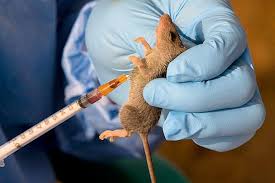
BENIN CITY – Edo State has been ranked among the worst-hit states in Nigeria’s latest Lassa fever update, with the Nigeria Centre for Disease Control and Prevention (NCDC) confirming that the state accounts for 18 percent of all recorded cases nationwide.
As of August 31, 2025, the country has reported 162 deaths from Lassa fever. Edo trails only Ondo and Bauchi in the national case chart, while Taraba and Ebonyi complete the top five states, which together account for 91 percent of all confirmed cases.
According to NCDC’s epidemiological week 35 report, 10 new cases were detected across Edo, Ondo, Bauchi, and Taraba — up from three the previous week. Cumulatively, Nigeria has recorded 7,375 suspected cases and 871 confirmed infections in 2025, with a Case Fatality Rate (CFR) of 18.6 percent, higher than the 17.1 percent documented in 2024.
The report highlighted that most victims are aged 21–30, with men slightly more affected than women. It linked the high death toll to late case presentation, poor health-seeking behaviour, high treatment costs, and poor sanitation in high-risk communities.
While no new healthcare worker infections were recorded in late August, 23 health workers have been infected this year. In response, NCDC has deployed rapid response teams to affected states and distributed ribavirin, personal protective equipment, and sanitizers to treatment centres.
The agency also announced plans to implement a five-year strategic plan (2025–2029) for sustained Lassa fever control, urging residents in hotspot states like Edo to improve hygiene, strengthen rodent control, and seek early medical care.
Calls for Stronger AFI Surveillance
Beyond Lassa fever, experts are urging Nigeria to scale up surveillance of Acute Febrile Illnesses (AFI), warning that not all fevers should be assumed to be malaria.
At a stakeholder engagement in Abuja, NCDC and its partners — including the U.S. Centres for Disease Control and Prevention (US-CDC), European agencies, and the Institute of Human Virology Nigeria (IHVN) — stressed that stronger AFI surveillance is key to tackling diseases such as dengue, yellow fever, chikungunya, and Mpox, which often mimic malaria symptoms.
Multiple dengue fever cases confirmed in Edo this year were initially misdiagnosed as malaria, highlighting the dangers of weak detection systems.
“AFIs remain a major public health challenge because they present with similar symptoms, making diagnosis and response difficult. Strengthening surveillance will enhance early detection, improve laboratory capacity and enable effective outbreak response,” said Dr. Farah Husain, Programme Director, Division of Global Health Protection at US-CDC.
NCDC’s Director of Surveillance and Epidemiology, Dr. Fatima Saleh, added that the initiative has identified gaps in Nigeria’s detection system and called on policymakers to provide sustained funding and integrate AFI surveillance into national health strategies.
IHVN Executive Director, Prof. Alash’le Abimiku, emphasised the importance of rapid testing, cautioning against self-medication:
“Too often, people take drugs without even a simple test. We must encourage testing, especially when rapid malaria and dengue tests are available.”
Other experts, including Dr. Oladipupo Ipadeola and Mr. McPaul Okoye of the US-CDC, warned that many molecular laboratories built during COVID-19 are lying idle. They stressed that strengthening AFI surveillance would save lives, boost health security, and protect communities from future outbreaks.
Health workers were urged to treat unexplained fever as a potential AFI case and prioritize testing before administering treatment.