Calls for Stronger Oversight as Debt-to-GDP Ratio Climbs to 52%
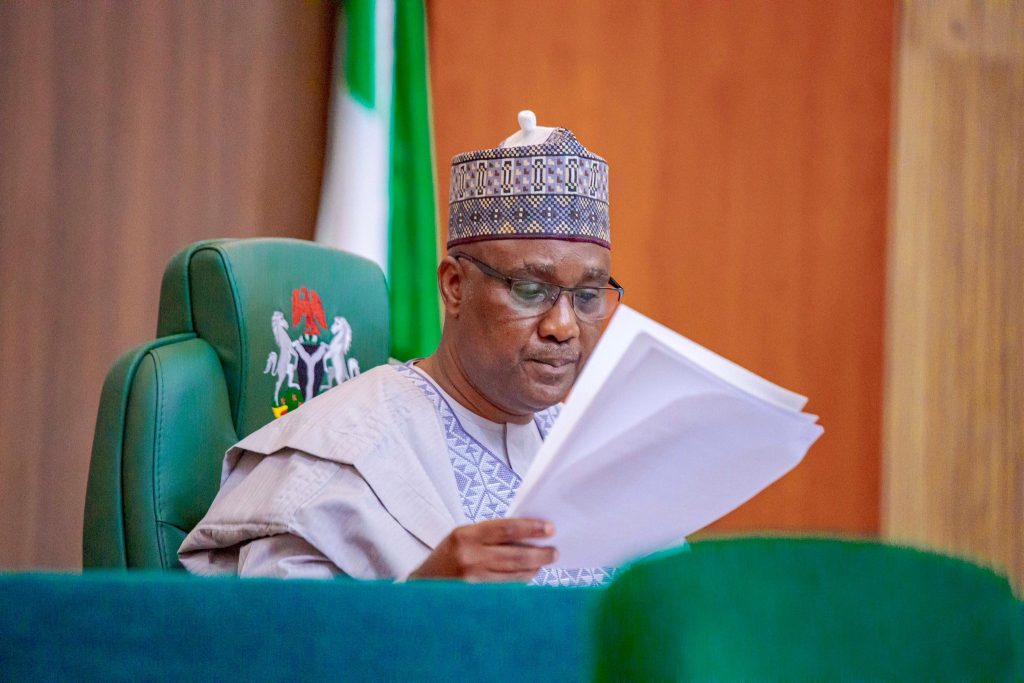
Speaker of the House of Representatives, Abbas Tajudeen, has raised alarm over Nigeria’s rising debt burden, warning that it has reached a “precarious and unjustifiable” level.
Abbas spoke on Monday at the opening of the 11th Annual Conference and General Assembly of the West Africa Association of Public Accounts Committees (WAAPAC) in Abuja.
Debt Surpasses Ceiling
The Speaker revealed that Nigeria’s total public debt stood at ₦149.39 trillion (about US$97 billion) in the first quarter of 2025, up sharply from ₦121.7 trillion recorded the previous year.
He further noted that the debt-to-GDP ratio has climbed to 52 percent, breaching the statutory ceiling of 40 percent set by Nigerian law.
“This represents a sharp rise… underscoring how quickly the burden has grown,” Abbas said. “The breach is a signal of strain on fiscal stability and demands urgent corrective measures.”
Warning Against Fiscal Risks
Abbas cautioned that several African countries now spend more on debt servicing than on healthcare and other essential services, stressing that Nigeria must avoid falling into the same trap.
He called for transparent borrowing practices, stronger legislative oversight, and reforms to ensure loans translate into real economic and social benefits.
Regional Oversight Framework
To tackle rising fiscal risks, Abbas announced plans to establish a West African Parliamentary Debt Oversight Framework under WAAPAC.
The framework will:
- Harmonise debt reporting across the sub-region.
- Set clear transparency standards.
- Provide parliaments with reliable data to scrutinise borrowing.
He also disclosed plans for a regional capacity-building programme to improve debt sustainability analysis and fiscal risk assessment.
Borrowing Must Target Development
The Speaker emphasised that future borrowing must be directed at infrastructure, healthcare, education, and industries that create jobs and reduce poverty.
He warned against reckless borrowing driven by consumption or corruption, insisting that Nigeria cannot afford to jeopardise its future.
Commitment to Open Parliament
Reaffirming the 10th House’s commitment to accountability, Abbas said the legislature will subject major borrowing proposals to public hearings and ensure that simplified debt reports are made accessible to citizens under its Open Parliament policy.